
Onychiuridae sp. “Snowflakes”
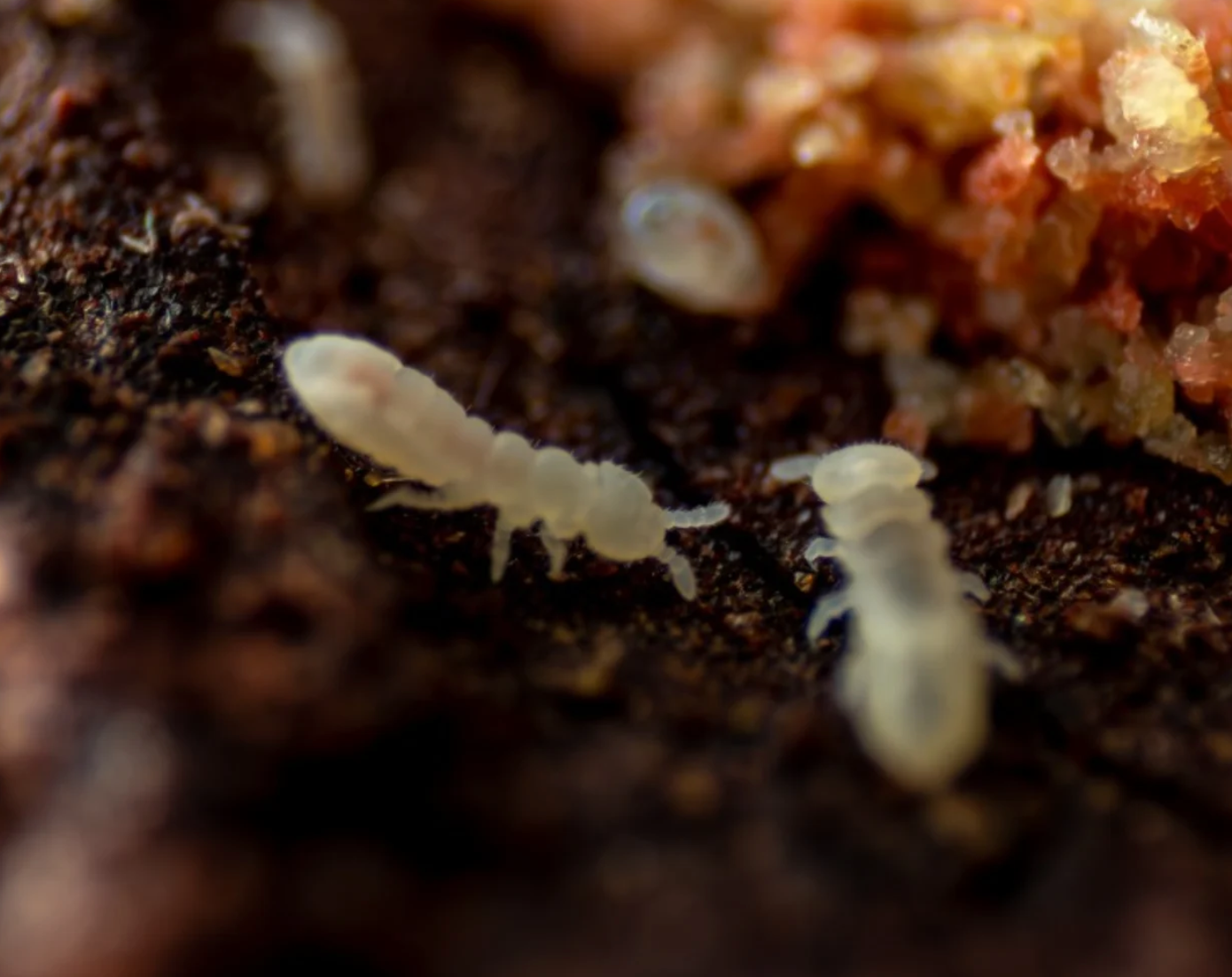
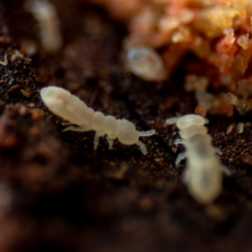
Onychiuridae Snowflakes are non-jumping white springtails, perfect for bioactive terrariums and stable clean-up crews.
⚠️ Live animals ⚠️
Express shipping includes full DOA guarantee.
Standard shipping includes replacement only.
- Preparation time: 1-5 days
- Clean products: Our farms are free of other insects
- Free Shipping: On all orders over 300€
Onychiuridae Snowflakes – Non-Jumping White Springtails for Bioactive Terrariums
Onychiuridae Snowflakes is a unique species of non-jumping springtail, highly appreciated in bioactive terrariums for its soil-focused behavior and distinctive white appearance. Unlike typical springtails, this species belongs to the poduromorph group, meaning it does not jump and remains close to the substrate at all times.
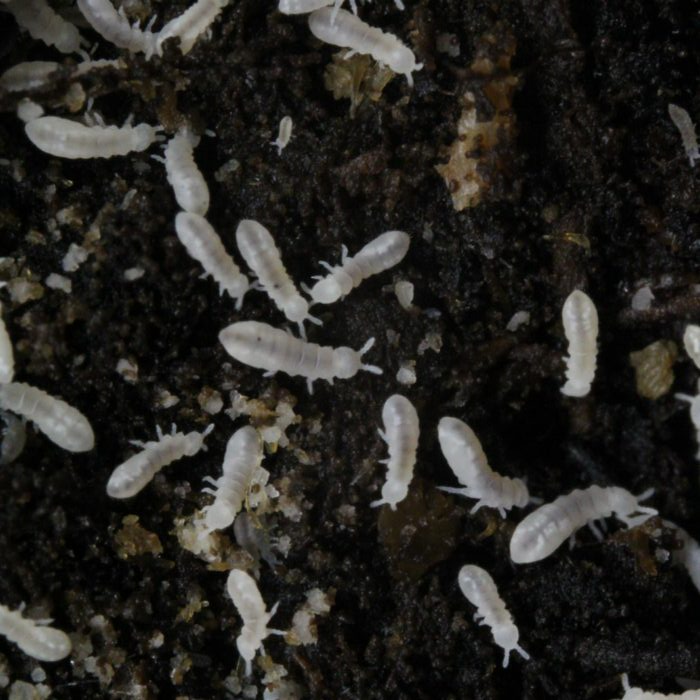
Onychiuridae sp. “Snowflakes” forms dense, visible clusters that create a “snow-like” effect across the substrate. Their calm movement and ground-dwelling nature make them ideal for keepers who prefer a stable and easy-to-manage microfauna species.
Onychiuridae sp “Snowflakes” for Bioactive Terrariums
Onychiuridae Snowflakes is an excellent clean-up crew species, feeding on mold, fungi, and decomposing organic matter. Its activity helps maintain a balanced ecosystem while keeping the substrate clean and healthy.
Non-Jumping Springtails Characteristics
- True non-jumping springtails (no functional furcula)
- Bright white “snowflake” appearance
- Soil-dwelling and substrate-focused behavior
- Forms dense visible colonies
- Ideal for controlled bioactive environments
Onychiuridae Snowflakes Care Guide
- Temperature: 18–24°C
- Humidity: High and stable
- Substrate: Coco fiber, soil, or fine organic mixes
- Feeding: Yeast, microfauna diets, or powdered organic food
Why Choose Onychiuridae Snowflakes?
Onychiuridae Snowflakes is perfect for keepers looking for a non-jumping springtail species that stays within the substrate. This makes them easier to control and ideal for setups where you don’t want springtails climbing glass or escaping easily.
Additionally, their bright white coloration and clustering behavior make them highly visible, allowing you to easily monitor colony health and activity inside the enclosure.
Compared to jumping species, Onychiuridae sp. “Snowflakes” remain calm and localized, making them especially useful in smaller enclosures or display setups where controlled movement is preferred.
With proper humidity and feeding, this species establishes stable populations and provides long-term benefits as a reliable clean-up crew.
For best results, we recommend feeding with high-quality nutrition such as Springtail Food Pellets.
Learn more about springtails on Wikipedia.
| Pack size | Pack X (10 pcs), Pack XS (25 pcs), Pack S (50 pcs), Pack M (100 pcs), Pack L (250 pcs), Pack XL (500 pcs) |
|---|
1 review for Onychiuridae sp. “Snowflakes”
5.00 out of 5 stars
Add a review
You must be logged in to post a review.
Related products
-
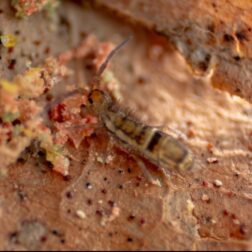
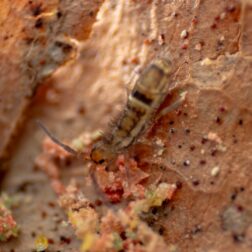
Orchesella cincta
Price range: 9,99 € through 69,99 € -
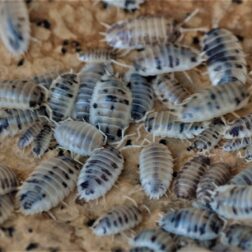
Porcellio laevis “Dairy Cow”
Price range: 9,99 € through 19,99 € -
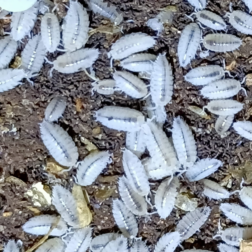
Trichorhina tomentosa
Price range: 9,99 € through 49,99 € -
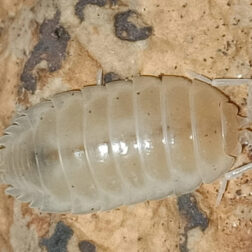
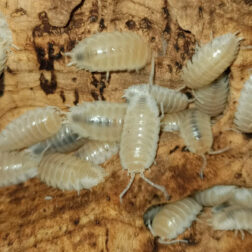
Porcellio laevis “Whiteout”
Price range: 11,99 € through 24,99 € -
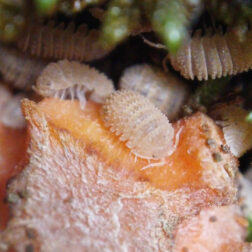
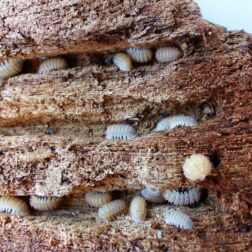
Cristarmadillidium muricatum
Price range: 29,99 € through 59,99 €
Frank –
Ok
Perfect