Springtails in bioactive terrariums – essential microfauna for a healthy ecosystem
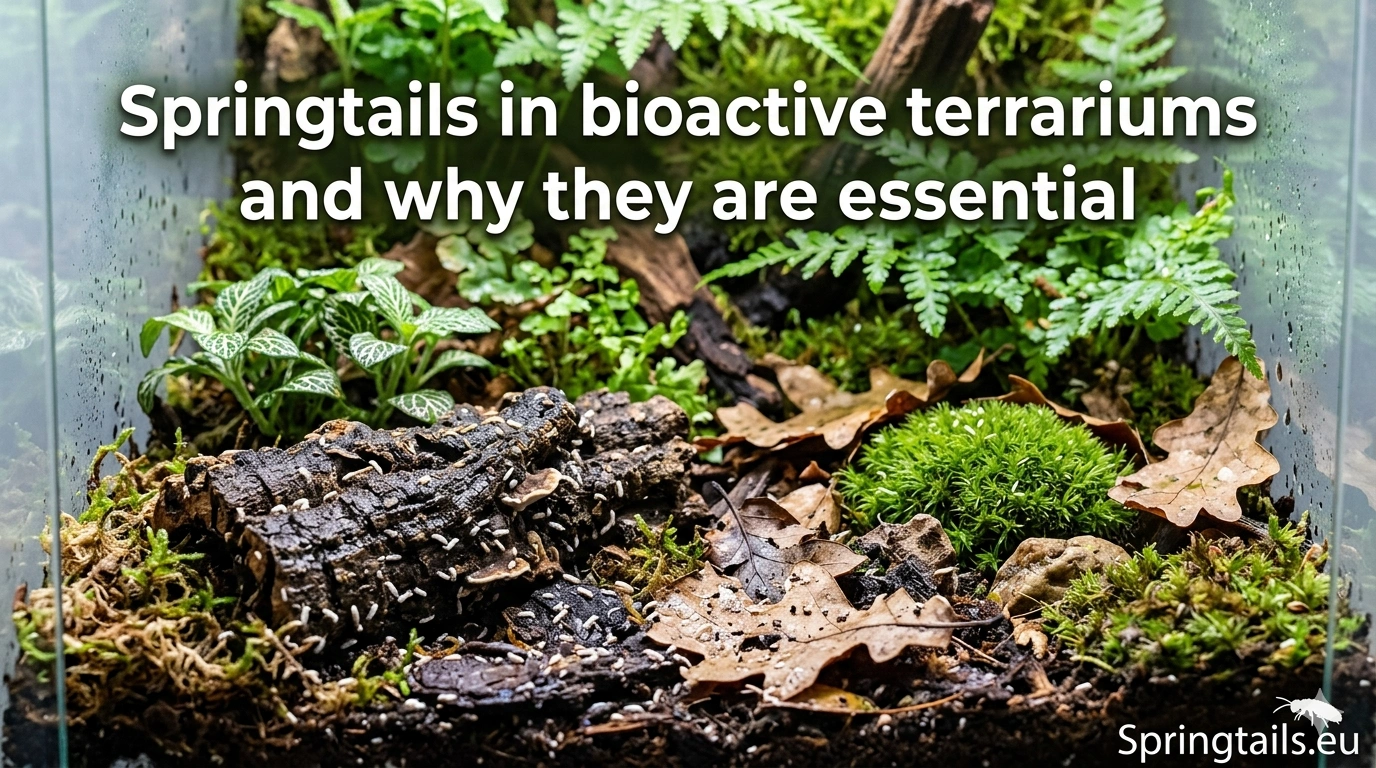
Springtails in bioactive terrariums are one of the most important microfauna components for maintaining ecological balance. These tiny decomposers help break down organic waste, control mold, and support soil health. Without them, substrates are more prone to buildup and instability.
Springtails in terrariums and their benefits
Bioactive terrariums replicate natural ecosystems where plants, soil, and microfauna work together. Springtails consume decaying matter and fungi, preventing mold outbreaks and keeping the substrate clean.
One of their main benefits is natural mold control. In humid environments, mold spreads quickly, but springtails consume it before it becomes a problem.
They also contribute to nutrient recycling by breaking down organic waste into smaller particles that plants can absorb. This improves soil quality and creates a more stable ecosystem over time.
Springtails are completely safe for reptiles, amphibians, and plants. They do not bite, sting, or damage anything inside the terrarium.
How springtails improve bioactive ecosystems
Springtails also improve soil structure by creating micro-air pockets as they move through the substrate. This improves oxygen flow and helps plant roots grow stronger and healthier.
They are highly sensitive to humidity and prefer stable, moist environments. If they appear outside the terrarium, it is usually due to excessive moisture inside the setup rather than any invasive behavior.
Best springtails for bioactive terrariums
Different springtail species behave differently. Some reproduce faster, while others are more visible or adapted to specific conditions.
Here are some of the most reliable species for bioactive setups:
Fast and beginner-friendly species
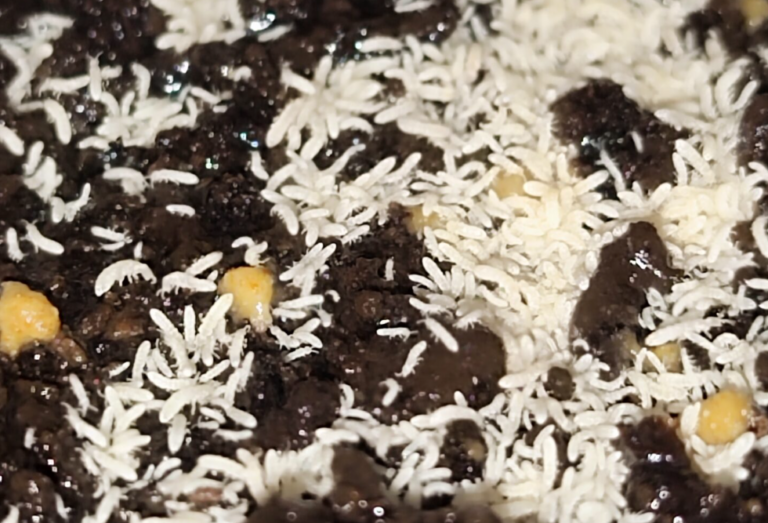
- Folsomia candida – extremely reliable starter culture
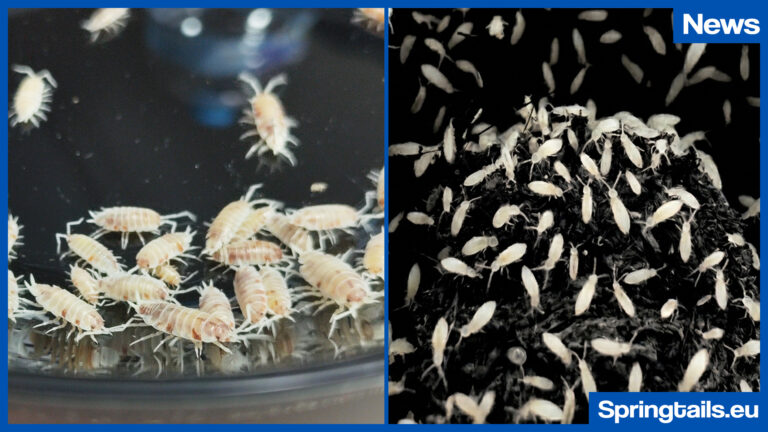
- Onychiuridae “Snowflakes”
- Ceratophysella isabellae “Lilac”
Colorful ornamental species
- Yuukianura aphoruroides
- Lobella Thai Red Springtails
- Ceratophysella isabellae “Yellow Albino”
- Ceratophysella isabellae “Sunflowers”
Specialist and advanced species
Surface and climbing springtails
How to introduce springtails into a terrarium
Springtails are usually introduced early in a bioactive setup. They establish quickly in moist substrate and begin working immediately as natural cleaners.
To introduce them successfully, place them directly onto damp soil or substrate and avoid disturbing them during the first few days.
Why every bioactive terrarium needs springtails
Bioactive systems rely on natural cycles. Springtails break down waste and return nutrients to the soil, helping maintain long-term stability.
They reduce maintenance and prevent issues before they become visible problems. This makes them essential for any bioactive setup.
Whether you keep reptiles, amphibians, or plants, springtails form the foundation of a healthy ecosystem.
External information
Learn more about springtails (Collembola)
Tip: A stable bioactive terrarium depends on balance. Springtails are the foundation of that balance, keeping the ecosystem clean, stable, and self-sustaining.