Springtails in bioactive terrariums – essential microfauna for a healthy ecosystem
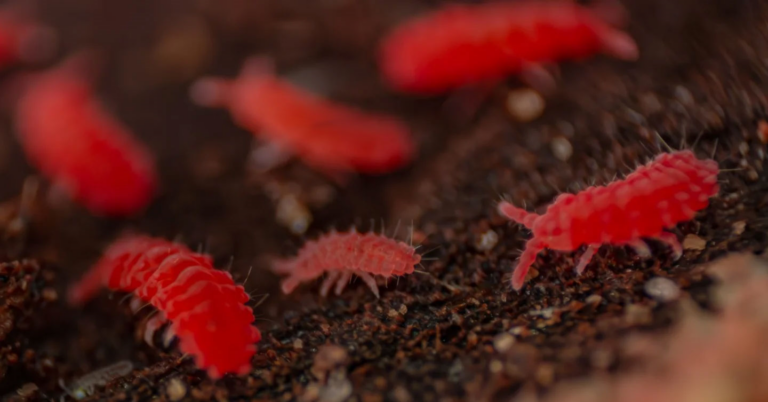
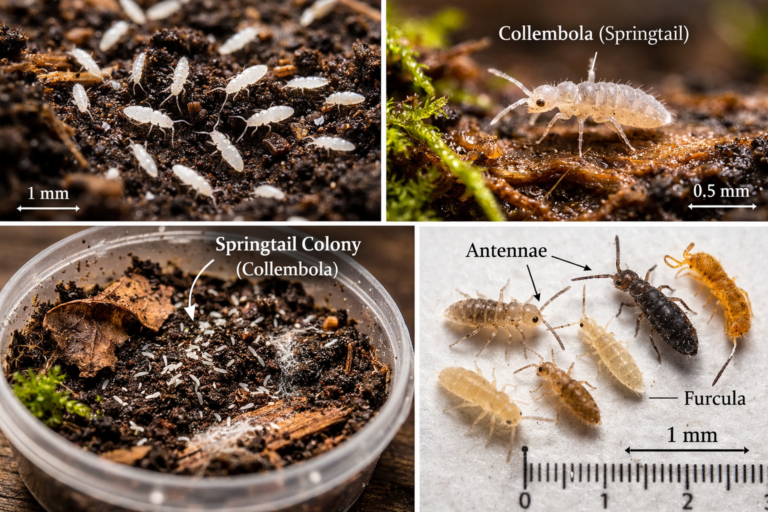
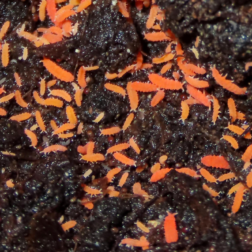
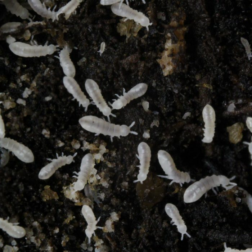
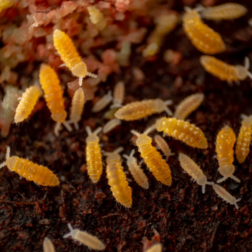
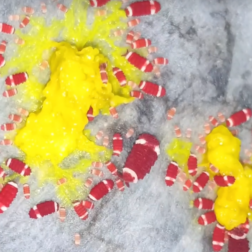
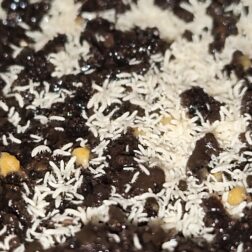
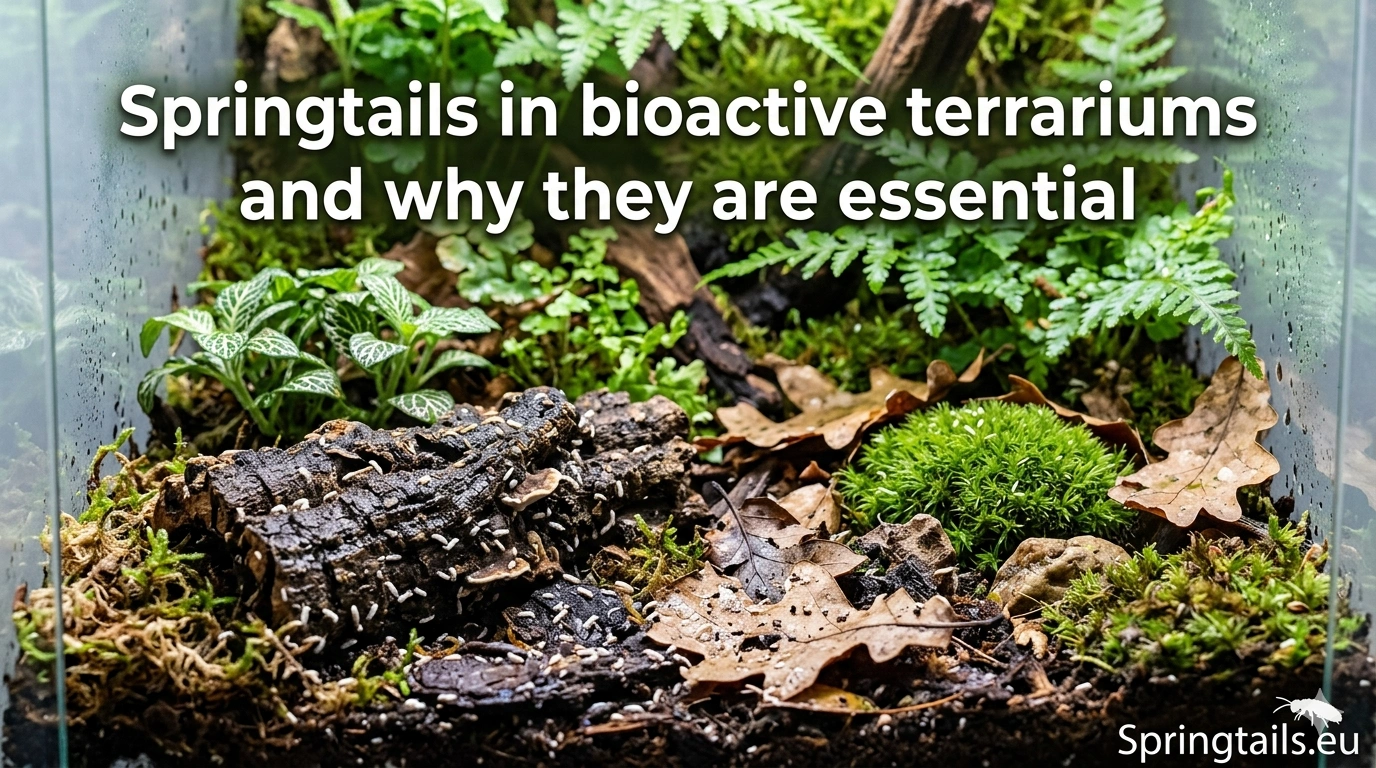
Springtails in bioactive terrariums are one of the most important microfauna components for maintaining ecological balance. These tiny decomposers help break down organic waste, control mold, and support soil health. Without springtails in bioactive terrariums, substrates are more prone to organic buildup and maintenance problems.
Springtails in terrariums and their benefits
Bioactive terrariums aim to replicate natural ecosystems where plants, microfauna, and beneficial organisms work together. Springtails in bioactive terrariums play a crucial role by consuming decaying matter and fungi. This prevents mold from spreading and keeps the substrate cleaner and healthier.
One of the biggest advantages of springtails in bioactive terrariums is mold control. High humidity environments encourage mold growth, which can become a problem in terrariums. Springtails feed on mold before it spreads, reducing the need for manual cleaning and chemical solutions.
Another benefit of springtails in bioactive terrariums is nutrient recycling. They break down organic waste into smaller particles that plants can absorb as nutrients. This natural process improves soil quality and promotes plant growth, making bioactive setups more self-sustaining.
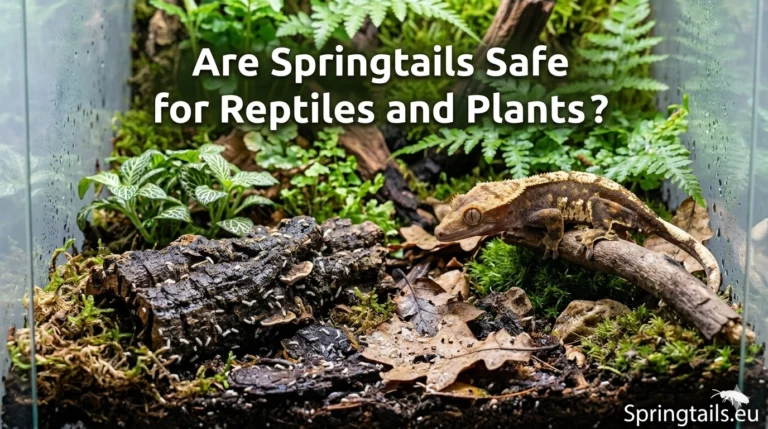
Springtails in bioactive terrariums are also safe for reptiles, amphibians, and plants. They do not bite, sting, or cause damage. Instead, they contribute to the micro-ecosystem by keeping the substrate clean and healthy. This makes them an essential addition to bioactive setups of all types.
If you are building a bioactive terrarium, introducing springtails early is highly recommended. They establish colonies quickly and begin working as natural cleaners from the start. This reduces the risk of mold and organic buildup, making terrarium maintenance easier.
Bioactive terrariums function best when microfauna is present. Springtails in bioactive terrariums help maintain ecological balance by breaking down waste and supporting plant health. Over time, the ecosystem becomes more stable and self-regulating.
How springtails improve bioactive ecosystems
Many people worry that springtails might escape the terrarium and invade their home. This is a misconception. Springtails prefer humid environments and do not survive well in dry indoor conditions. If they appear outside the terrarium, it usually indicates excessive humidity, which can be corrected with proper ventilation.
Springtails in bioactive terrariums also improve soil aeration. As they move through the substrate, they create small air pockets that enhance oxygen flow. This helps plant roots absorb nutrients more efficiently, leading to healthier growth and stronger plants.
For anyone interested in bioactive setups, springtails in bioactive ecosystems are indispensable. They reduce waste, prevent mold, and support a thriving micro-ecosystem. Whether you keep reptiles, amphibians, or plants, microfauna enhances the natural balance of your terrarium.
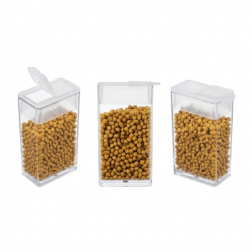
If you want to buy high-quality springtails for your setup, visit our store: Springtails.eu. We offer live cultures and starter packs designed for bioactive environments. Starting with a microfauna kit is the easiest way to establish a healthy ecosystem from day one.
Why every terrarium needs springtails
Bioactive terrariums require patience and proper care, but the rewards are significant. A well-maintained setup becomes a living ecosystem that evolves over time. Springtails in bioactive terrariums play a vital role in this process by ensuring cleanliness and ecological balance.
By introducing springtails, you create a self-sustaining environment that benefits plants and animals alike. They work silently behind the scenes, breaking down waste and preventing problems before they arise. This reduces maintenance and improves the overall health of the terrarium.
Whether you are a beginner or an experienced terrarium keeper, microfauna is essential. Springtails in terrariums are the foundation of a healthy ecosystem, making them one of the most valuable additions to any setup.
Springtails are part of the soil microfauna that play an important role in natural ecosystems. You can learn more about their biological classification on Wikipedia’s springtail page.
Start building your bioactive ecosystem today and experience the benefits of a natural, self-maintaining environment. Springtails in bioactive setups reduce maintenance and improve ecosystem stability, making them a must-have for any bioactive setup.