
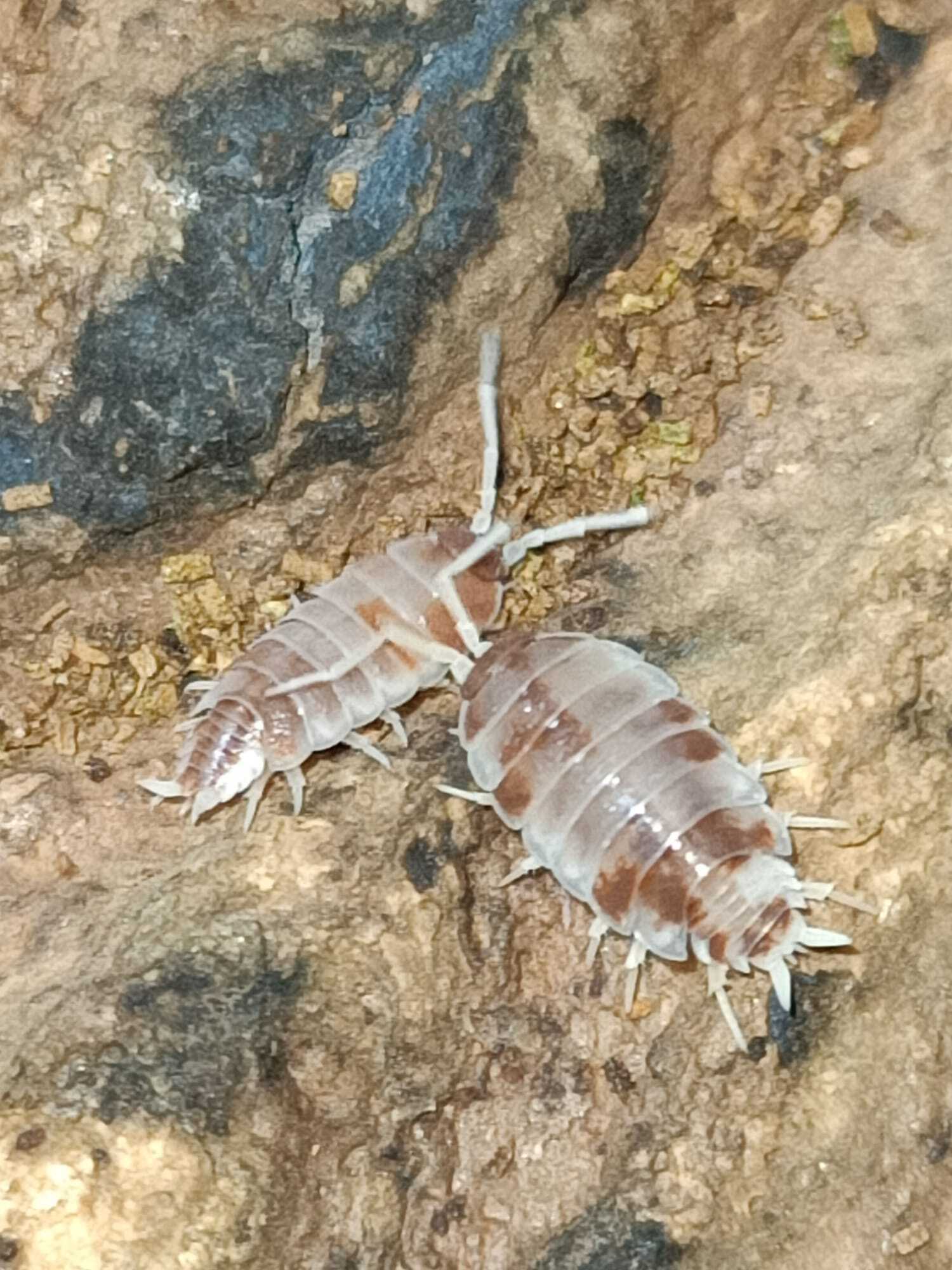
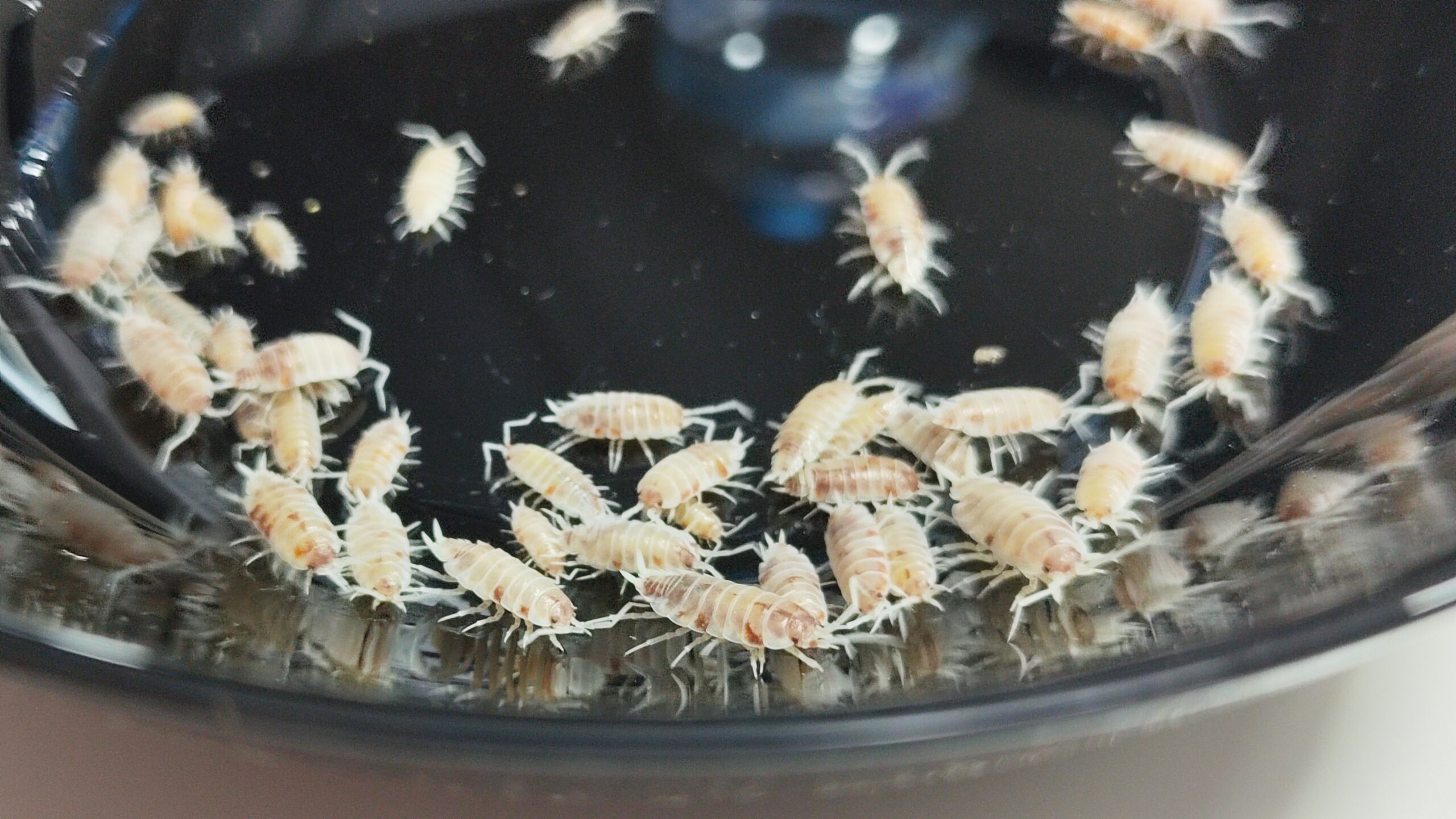

Porcellionides pruinosus “Orange Koi”
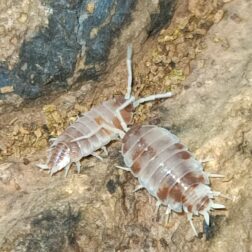
Orange Koi Isopods (Porcellionides pruinosus) are a fast-breeding and highly active clean-up crew species, valued for their striking orange and white coloration, adaptability and excellent waste-processing abilities in bioactive enclosures.
⚠️ Live animals ⚠️
Express shipping includes full DOA guarantee.
Standard shipping includes replacement only.
- Preparation time: 1-5 days
- Clean products: Our farms are free of other insects
- Free Shipping: On all orders over 300€
Orange Koi Isopods (Porcellionides pruinosus)
Orange Koi Isopods (Porcellionides pruinosus) are one of the most popular bioactive isopod morphs available today. Combining the hardiness and rapid reproduction of Porcellionides pruinosus with a vibrant orange and white “koi” pattern, these isopods are both highly functional and visually attractive.
Orange Koi Isopods are extremely active and spend much of their time exploring the enclosure surface, making them an excellent choice for keepers who want a clean-up crew that is frequently visible.
Why choose Orange Koi Isopods?
- Beautiful orange and white koi coloration
- Fast breeding and colony growth
- Highly active and visible species
- Excellent bioactive clean-up crew
- Suitable for beginners and experienced keepers
Orange Koi Isopods in bioactive terrariums
Orange Koi Isopods help break down decaying plant matter, leftover food, animal waste and other organic debris. Their constant activity contributes to a healthier substrate and supports nutrient recycling within the enclosure.
Due to their adaptability and high reproduction rate, Porcellionides pruinosus “Orange Koi” are commonly used in reptile, amphibian, invertebrate and planted bioactive setups.
Care Requirements
- Humidity: moderate to high
- Temperature: 20–28°C
- Diet: leaf litter, decaying wood, vegetables and protein sources
- Ventilation: moderate
Temperament and Activity
Unlike some more secretive species, Porcellionides pruinosus “Orange Koi” are often seen actively moving throughout the enclosure. Their energetic behaviour and attractive colours make them a favourite among bioactive hobbyists.
Related Products
Browse our complete collection of isopods and springtails for bioactive terrariums.
Important Note
Colour intensity and pattern distribution may vary between individuals. As a living culture, colony size and age structure can vary slightly between batches.
Frequently Asked Questions
Are they beginner friendly?
Yes. This is one of the easiest isopod species to keep. They are hardy, adaptable and reproduce quickly, making them ideal for both beginners and experienced bioactive keepers.
How fast do they reproduce?
They are known for their rapid reproduction rate. Under suitable conditions, colonies can grow quickly and establish stable populations within a relatively short time.
Are they suitable for bioactive terrariums?
Absolutely. This morph is one of the most popular clean-up crew choices. They help break down organic waste, decaying plant material and leftover food, contributing to a healthier ecosystem.
What do they eat?
They feed on leaf litter, decaying wood, vegetables, organic matter and occasional protein sources. A varied diet helps maintain a healthy colony.
Can they live with springtails?
Yes. They are commonly kept together in bioactive terrariums and work perfectly alongside springtails to maintain substrate health.
Do they need calcium?
Yes. Like all terrestrial isopods, they benefit from a constant source of calcium to support moulting and healthy growth.
External Reference
Learn more about terrestrial isopods: Woodlouse (Isopoda)
Be the first to review “Porcellionides pruinosus “Orange Koi””
You must be logged in to post a review.
Related products
-
Ceratophysella isabellae “Lilac”
Price range: 4,99 € through 79,99 € -
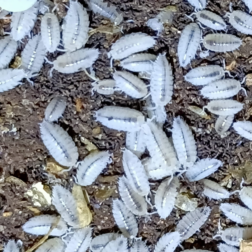
Trichorhina tomentosa
Price range: 9,99 € through 49,99 € -
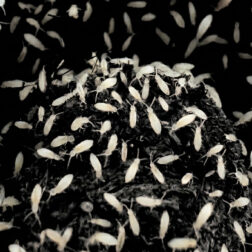
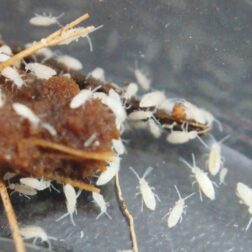
Coecobrya sp. “Tropical White”
Price range: 4,99 € through 89,99 € -
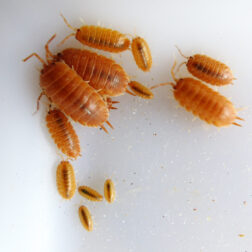
Porcellio laevis “Orange”
Price range: 14,99 € through 29,99 € -
Rambutanura sp. “Thai Red Spiky”
Price range: 69,99 € through 499,99 €
Reviews
There are no reviews yet.