What Are Springtails? The Complete Guide to Collembola (Biology, Care, and Use in Terrariums)
Springtails, scientifically known as Collembola, are tiny soil-dwelling arthropods that play a fundamental role in natural ecosystems. Although they are often mistaken for insects, springtails belong to a distinct group of hexapods with unique biological traits.
Despite their small size — usually between 0.5 mm and 6 mm — springtails are among the most abundant terrestrial animals on Earth. A single square meter of healthy soil can contain tens of thousands of individuals. Their ecological importance is enormous, especially in soil health, decomposition, and bioactive terrarium systems.
In this complete guide, you will learn what springtails are, how they live, why they are essential, and why they are widely used in terrarium and bioactive setups across Europe.
Are Springtails Insects?
Technically, no. Springtails are not true insects.
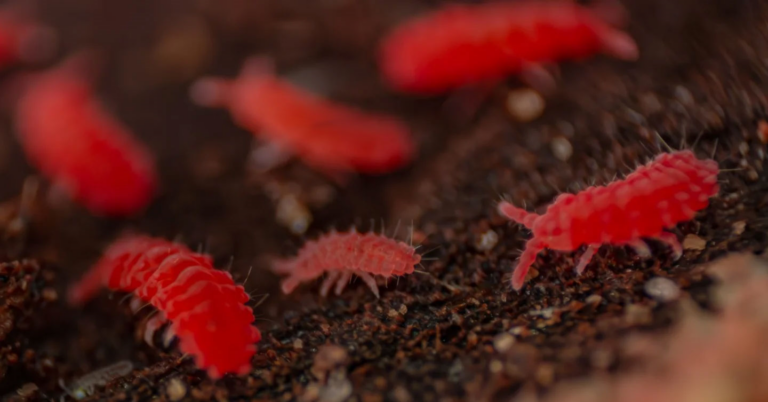
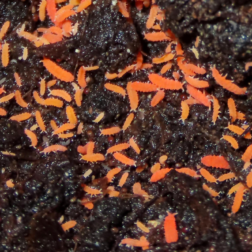
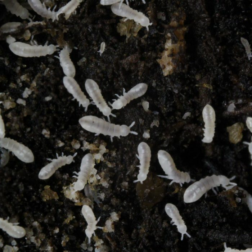
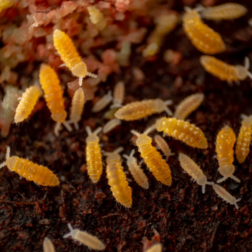
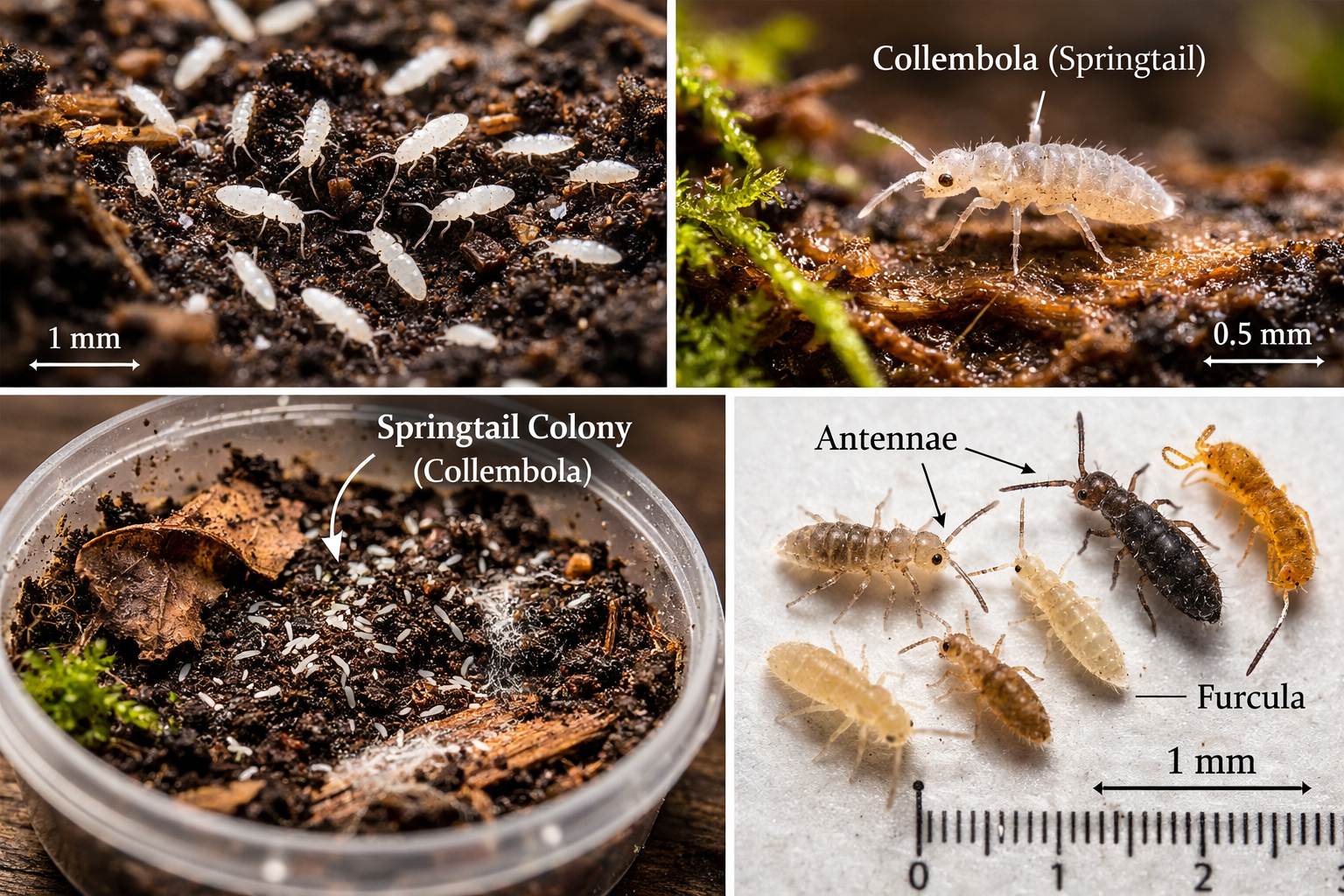
Below you can see a close-up example of what springtails (Collembola) look like in natural substrate.
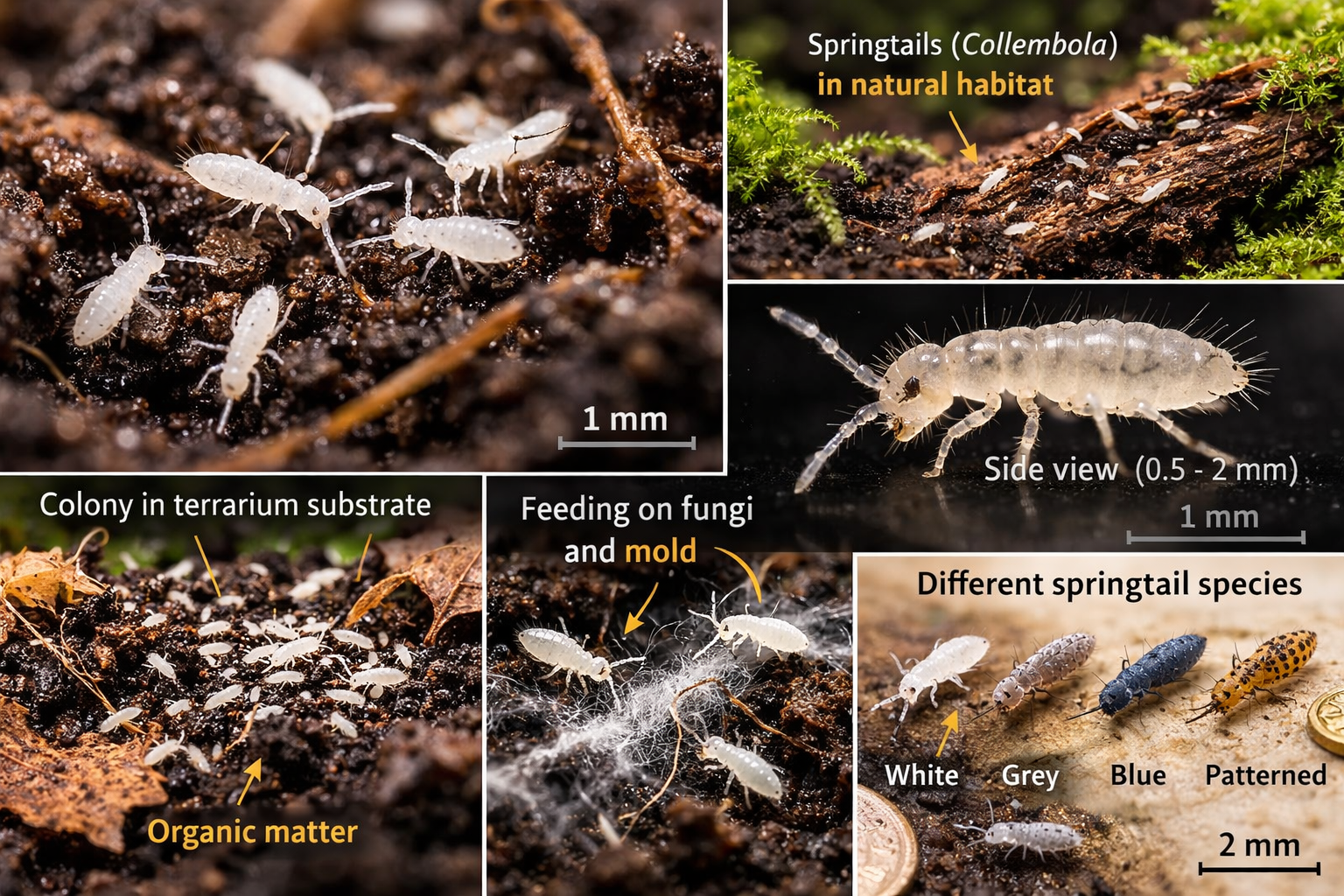
They belong to the class Collembola, which is separate from Insecta in modern taxonomy. Learn more on Wikipedia. While they share characteristics such as six legs and segmented bodies, their evolutionary path diverged early from that of insects.
One of their most distinctive anatomical features is the furcula, a forked appendage folded beneath their abdomen. When released, it propels them into the air, allowing them to “spring” away from predators. This is how they earned the name springtails.
Other defining features include:
- Soft-bodied structure
- Lack of wings
- Moisture-dependent cuticle
- Unique ventral tube (collophore) for water regulation
Where Do Springtails Live?
Springtails thrive in humid environments. They are found worldwide, including across Europe, in habitats such as:
- Forest soil
- Leaf litter
- Moss
- Decaying wood
- Compost systems
- Greenhouses
- Bioactive terrariums
They are extremely sensitive to dehydration. Because of this, they prefer stable humidity and organic-rich substrates. In controlled environments like terrariums, they establish thriving micro-populations when moisture is maintained.
What Do Springtails Eat?
Springtails are detritivores and microbivores. Their diet primarily consists of:
- Fungi
- Mold spores
- Decaying plant material
- Organic debris
- Bacteria
This feeding behavior makes them natural recyclers. By breaking down organic matter, they stimulate microbial activity and accelerate nutrient cycling.
In terrariums, they are especially valued for their ability to control mold outbreaks, preventing fungal overgrowth in moist substrates.
Why Are Springtails Important in Ecosystems?
1. Soil Health
Springtails enhance soil fertility by breaking down decomposing organic material into smaller particles that microorganisms can process more efficiently.
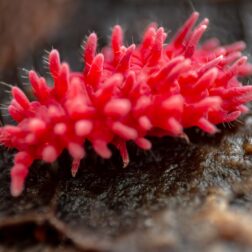
Springtails in soil ecosystems
2. Nutrient Cycling
By feeding on fungi and decaying matter, they help release essential nutrients back into the soil, supporting plant growth.
3. Microbial Regulation
They regulate fungal populations, preventing imbalances in soil microbiomes.
4. Food Source
Collembola serve as prey for small invertebrates, contributing to the broader food web.
Beyond their ecological role in nature, springtails have become indispensable in controlled environments such as bioactive terrariums.
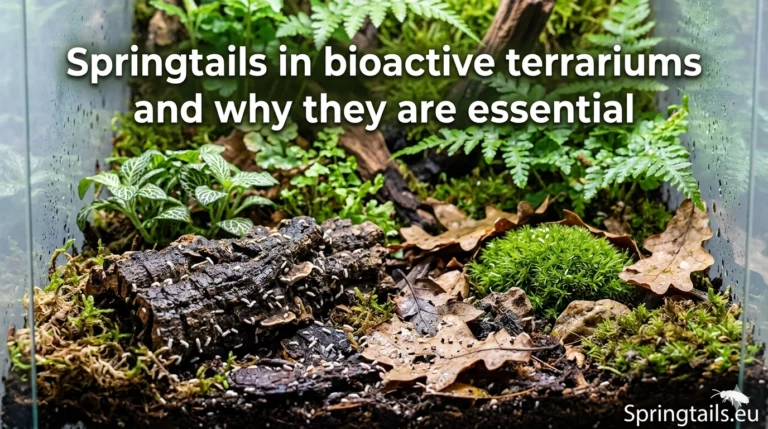
Springtails in Bioactive Terrariums
Springtails are widely used in bioactive terrarium systems across Europe. In these setups, they function as part of the “cleanup crew” alongside isopods.
Their main benefits include:
- Controlling mold growth
- Breaking down animal waste
- Maintaining substrate freshness
- Improving soil aeration
For reptile, amphibian, and invertebrate keepers, collembola are essential for creating a self-sustaining enclosure. A well-established colony reduces maintenance and helps stabilize micro-ecosystems.
Buy springtails for terrariums
Are Springtails Harmful?
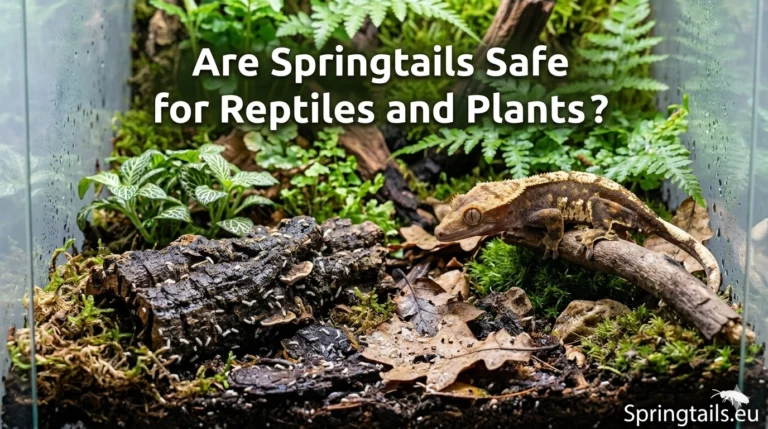
These tiny creatures are completely harmless.
- They do not bite.
- They do not sting.
- They do not damage plants.
- They do not transmit diseases.
If they appear indoors, it is usually due to excess moisture. They are indicators of humidity, not structural pests.
Life Cycle and Reproduction
Springtails reproduce rapidly under optimal conditions.
- Eggs hatch within days.
- Juveniles resemble miniature adults.
- They molt multiple times throughout their life.
- Some species reproduce parthenogenetically.
This fast reproduction rate makes them ideal for terrarium cultures, as populations establish quickly and maintain stable numbers.
How to Culture Springtails
These micro-arthropods can be cultured using several common methods:
- Charcoal cultures
- Clay substrate cultures
- Coco fiber cultures
- Plaster of Paris setups
Basic requirements include:
- High humidity
- Moderate temperatures (18–24°C)
- Occasional feeding (rice grains or yeast)
With proper care, a culture can reproduce continuously and provide an ongoing supply for terrarium use.
Different Types of Collembola
There are over 8,000 described species worldwide. In the hobby, the most commonly cultured are tropical white springtails due to their adaptability and fast reproduction.
Commonly cultured varieties include tropical white springtails and temperate European species adapted to cooler conditions.
Species vary in:
- Color (white, grey, blue, patterned)
- Size
- Humidity preference
- Reproductive speed
Why Buy Springtails in Europe?
If you are setting up a bioactive terrarium in Europe, sourcing Collembola locally is important for several reasons:
- Faster shipping times
- Healthier live cultures upon arrival
- No customs delays
- Compliance with European regulations
Buying springtails from a European supplier ensures the culture arrives active, fresh, and ready to establish in your enclosure.
Springtails for Terrariums: Why They Are Essential
For anyone building a naturalistic or bioactive enclosure, these soil organisms are not optional — they are foundational.
They provide:
- Long-term mold control
- Waste breakdown
- Stable microbial balance
- Healthier substrate
Without these beneficial invertebrates, bioactive systems often suffer from fungal overgrowth and organic buildup.
Frequently Asked Questions
Are springtails good for plants?
Yes. They improve soil structure and nutrient cycling.
Can springtails escape a terrarium?
They require humidity to survive. In dry room conditions, they quickly perish.
Do springtails eat live plants?
No. They feed on decaying matter and fungi.
How fast do they reproduce?
Under optimal conditions, populations grow rapidly and stabilize within weeks.
Collembola are essential micro-arthropods that support soil ecosystems across the world. In terrariums, they act as natural recyclers, mold controllers, and ecosystem stabilizers.
For bioactive setups in Europe, maintaining a healthy springtail culture ensures long-term enclosure balance and reduced maintenance.
Understanding what micro-Arthropods are and how they function highlights their importance — not as pests, but as indispensable ecological allies.
Whether in forest soil or in a carefully designed terrarium, springtails are one of the most important yet overlooked organisms in terrestrial ecosystems.